

A Baker Act can leave patients and families with many questions. You may be unsure why the examination happened, how long the person can remain at a facility, whether legal rights were followed, or what can be done after discharge. Florida’s Baker Act is more than a medical process. It also includes specific legal requirements,…

A Baker Act emergency can develop quickly. A family may learn that a loved one has been taken to a psychiatric receiving facility, a parent may receive a call about a child, or someone may suddenly find themselves being held for an involuntary mental health examination. In those first hours, it is easy to feel…

Mental health treatment is usually viewed as a medical issue, but some situations also involve important legal rights. This is especially true when a person is taken to a psychiatric facility involuntarily, held under Florida’s Baker Act, believes treatment procedures were not properly followed, has problems accessing records, or faces legal consequences after a mental…

When a child is Baker Acted in Florida, one of the first questions many parents ask is simple: “Can I take my child home?” The answer is not always what parents expect. If a child is being held for an involuntary examination under Florida’s Baker Act, a parent generally cannot simply arrive at the receiving…

Being Baker Acted in Florida can create immediate concerns about more than mental health treatment. For many people, one of the biggest questions is whether the incident affects their right to buy, own, or possess a firearm. The answer is not simply yes or no. A Baker Act examination by itself does not necessarily create…
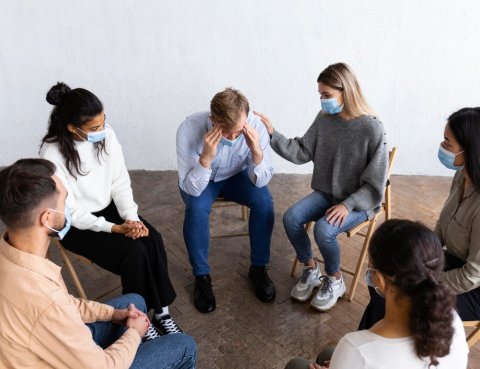
Florida’s Baker Act can be used when a person appears to meet specific legal requirements for an involuntary mental health examination. It is designed to address serious mental health situations, but an involuntary examination is not justified simply because someone is upset, behaving unusually, involved in a family disagreement, or experiencing emotional distress. When the…

Florida’s Baker Act allows involuntary mental health examination and treatment in specific circumstances, but being placed under the Baker Act does not mean that a patient loses basic legal rights. Florida law gives mental health patients protections involving dignity, treatment, informed consent, communication, visitors, access to attorneys, personal property, clinical records, discharge planning, and the…

Mental health treatment does not automatically mean that a person permanently loses the right to own or possess a firearm in Florida. The legal effect depends on exactly what happened during the mental health proceeding. For example, Florida law distinguishes between someone who was merely taken to a facility for observation and someone who was…

A Baker Act situation can move quickly. A person may be taken to a receiving facility with little warning, while family members are left trying to understand why the examination happened, how long it may last, what rights apply, and what they can do to help. This is where advocacy can become important. A Baker…

Being placed under Florida’s Baker Act does not automatically mean that a court hearing will occur. Many people are evaluated and released during the initial involuntary examination period without ever appearing before a judge. A hearing generally becomes relevant when a receiving facility or another authorized petitioner asks a court to order continued involuntary services,…
